Rules & Safety (6)
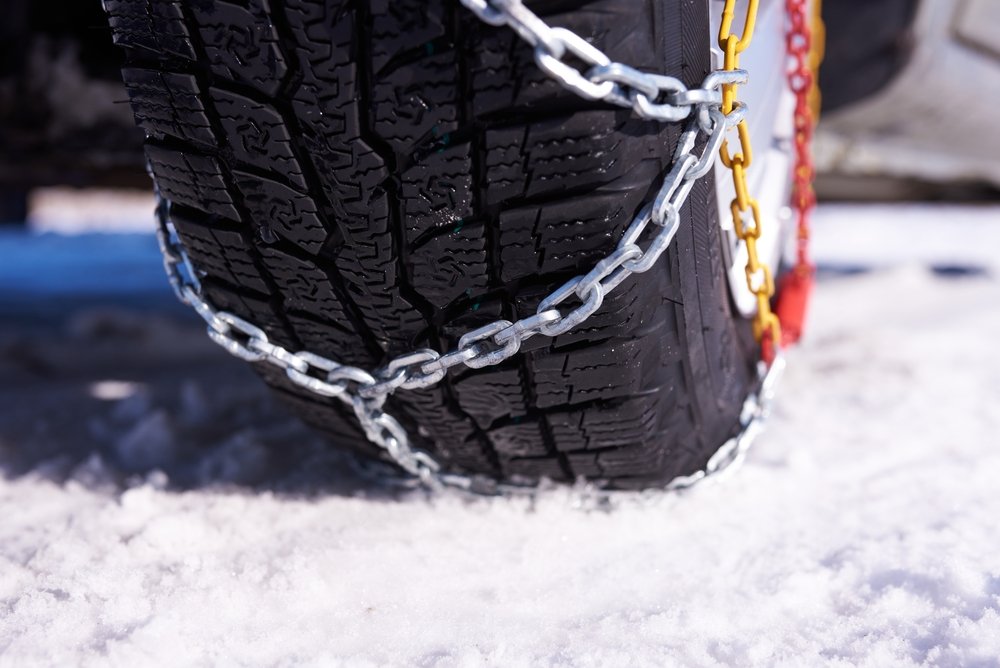
Chain Laws by State (Quick-Lookup) + Colorado 'Must Carry' Guide
Driving a commercial truck is never an easy job, but snow and ice make it infinitely more difficult. Reduced visibility, coupled with slippery roads and lack of traction, can cause a serious accident. That's why many states allow or even require that drivers chain the vehicle tires in order to proceed, and some put fines in place for drivers who don't take this all-important safety measure.
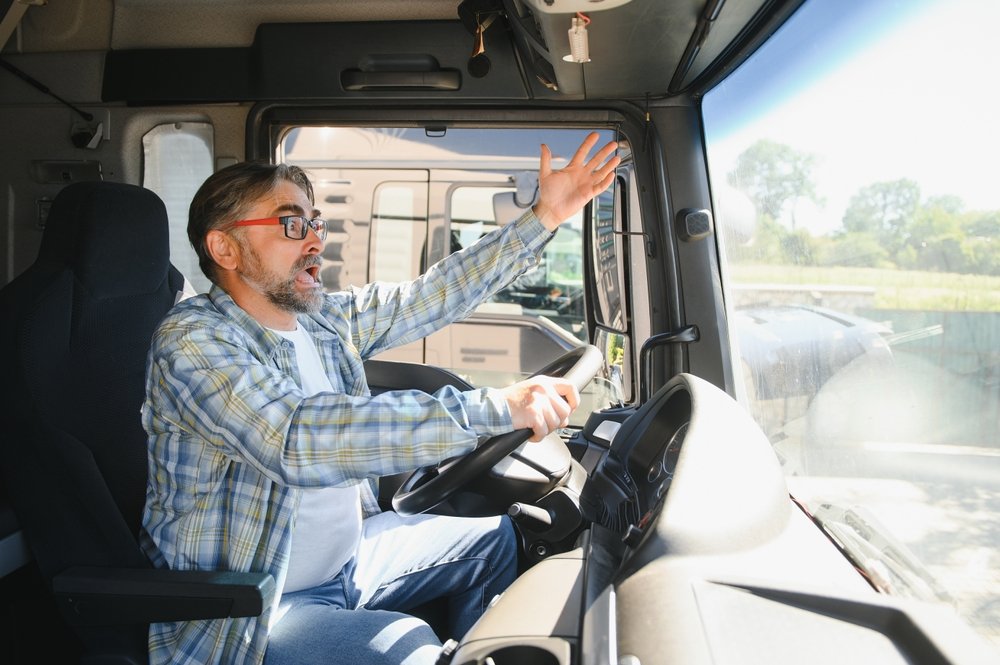
Preventables vs. Non-Preventables: Telling Your Side of the Story
Accidents happen. Every driver knows that no matter how careful you are, the road can throw surprises your way. When it does, the way the incident gets labeled (preventable or non-preventable) can have a big impact on your career. The good news? You can have a say in how your record looks by learning the lingo and writing a clear, professional statement when something happens. Here’s how.
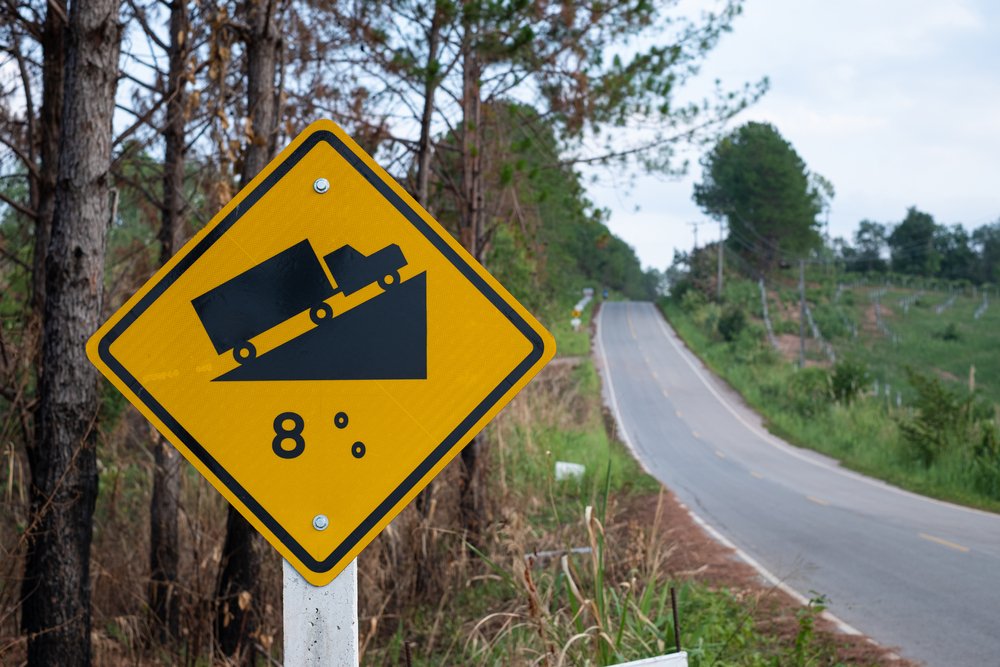
Mountain Grades & Jake Brake Etiquette
Driving in the mountains is no joke, and it often takes a smart combination of driving skill, mechanical knowledge, and etiquette to manage safely and effectively. In this article, we'll cover a range of issues often faced when dealing with mountain grades, including proper gear selection, controlled braking to include jake brake etiquette, runaway truck ramps, and overall best practices when you're undertaking a long descent.
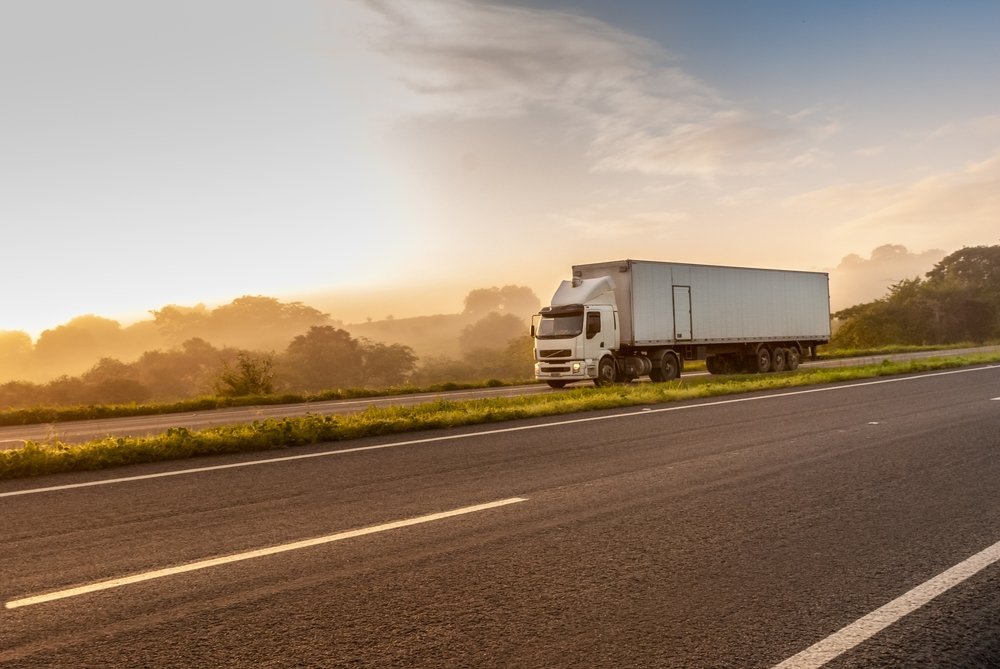
California's 40-Foot KPRA Rule: Tandem Positions That Keep You Legal
To improve road safety and prevent damage to infrastructure, California has implemented strict rules for commercial drivers to follow. Each regulation is important because these rules stem from analyzing decades of accident data. One of California’s key regulations helps with weight distribution and truck stability. This regulation is the 40-foot kingpin-to-rear-axle (KPRA) rule.
Dashcams & Driver-Facing Cameras: Your Rights and Realities
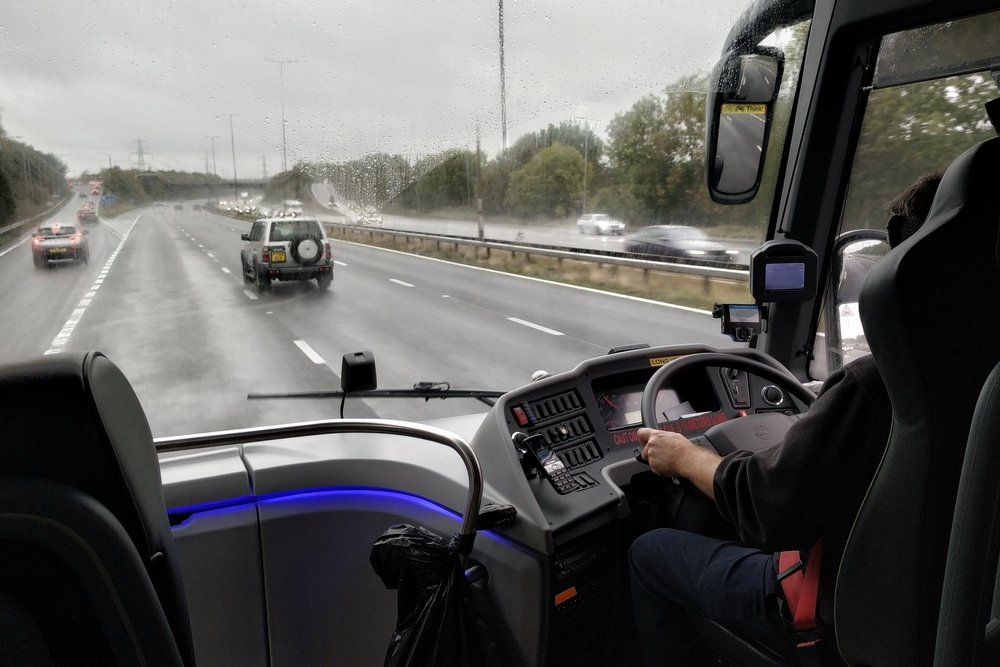
They're mounted on dashboards, tucked into cabs, and sometimes pointed right at your face. Cameras are a part of the industry now, and they're reshaping how fleets monitor safety and interact with drivers. But what exactly are the cameras recording? Who sees the footage? And how much say do you have in the matter?Let's break down the real-world use of dashcams and driver-facing cameras. In this post, we'll explain why companies install them, what's legally allowed, and questions you should ask before you sign on with a fleet.
Winter Driving 101: When to Roll, When to Chain, When to Park
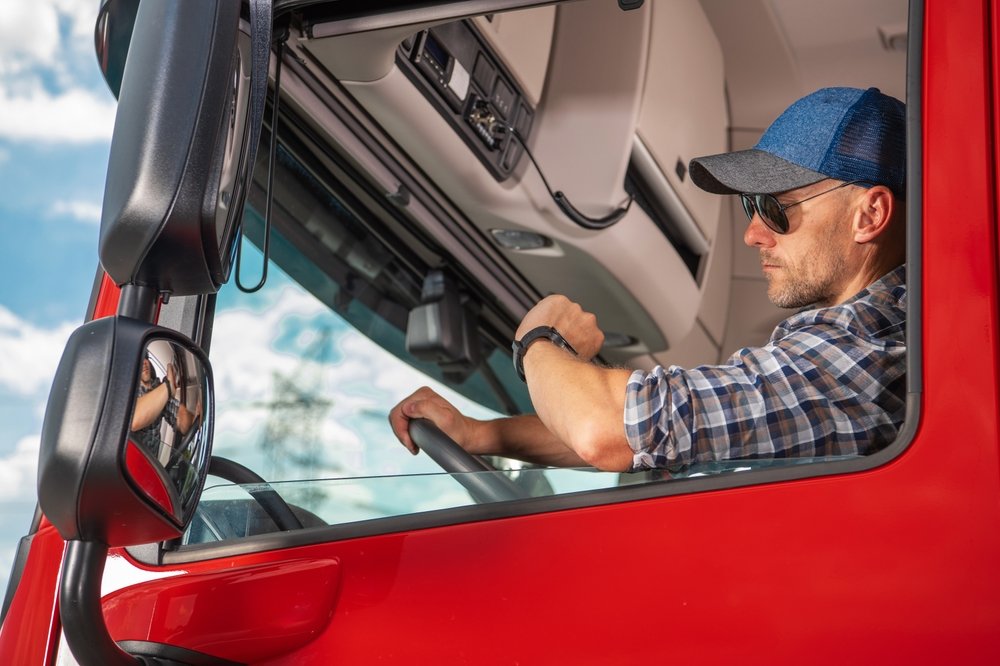
The demand for truck driving continues during the winter, even as road conditions and storms make it harder to deliver. While you can earn some sizable bonuses during this challenging season, it’s also packed with hazards that could leave your truck damaged or your life at risk.A safe winter driver will know exactly when they feel safe and confident taking a route and when to call it quits and stay parked. If you’re still building your skills as a trucker, don’t worry. You’ll learn how to deal with winter driving with minimal risk by following this guide.


*You can unsubscribe anytime
